
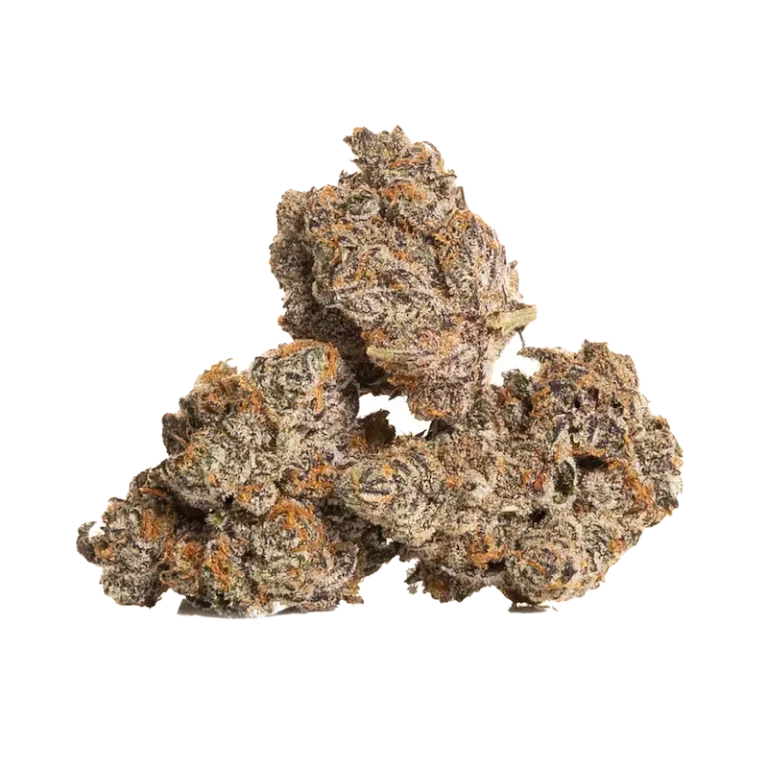
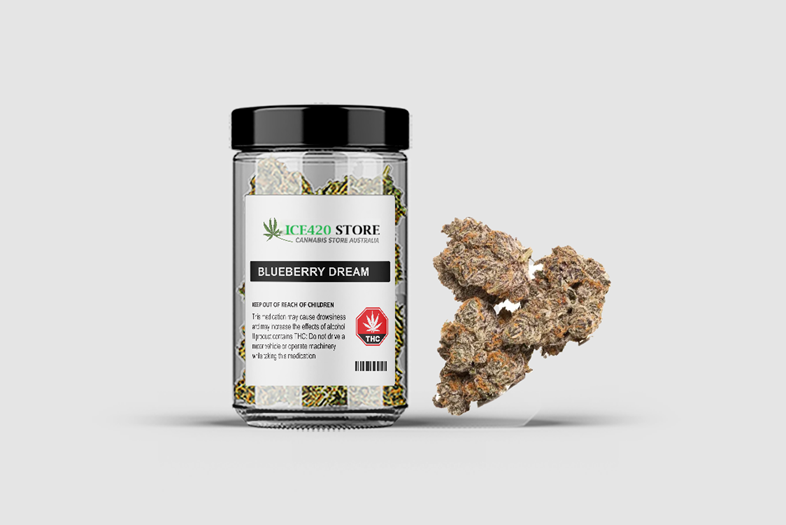
Blueberry dream strain
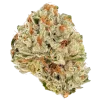
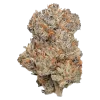
Price range: $300.00 through $3,600.00
For researchers and authorized patients managing Attention Deficit Hyperactivity Disorder (ADHD) or Autism Spectrum Disorder (ASD), sensory overload remains a daily obstacle. The standard central nervous system often struggles to filter out external stimuli. However, the exact pharmacological reality of the Blueberry Dream cultivar offers a highly predictable, grounding physiological effect. It calms the physical body while sharpening executive function.
For the neurodivergent brain, engaging in intense pattern recognition such as categorizing trichome degradation or mapping cellular structures offers a deep sense of systemic control.
Buy Blueberry Dream Strain Australia: Beyond the Commodity Profile
The commercial botanical sector suffers from an acute lack of originality. When researchers or patients attempt to evaluate therapeutic cultivars, they encounter a frustrating audit of sameness. Competitors continuously recycle the identical surface-level facts. They state that the Blueberry Dream genetic is a sativa-dominant hybrid. They repeat that it descends from Blueberry and Blue Dream. They generically mention a sweet berry aroma. Consequently, this echo chamber of commodity facts provides zero actionable intelligence for serious cultivators, medical professionals, or microscopic researchers. We refuse to participate in this cycle of repetitive noise.
Instead, our approach focuses entirely on the delta. The delta represents the unique, high-value metadata that separates a primary scientific source from a sea of marketing rhetoric. Understanding this specific phenotype requires looking far beyond basic genealogy. Therefore, we must examine its cellular morphology. We must analyze its cell-wall resilience against aggressive environmental factors. Furthermore, we must understand its extraordinary adaptability to the Southern Hemisphere’s extreme ultraviolet (UV) radiation.
These variables fundamentally alter the phytochemical expression of the plant. A generic seed grown in a sanitized Northern Hemisphere facility produces a drastically different chemical profile than one subjected to the rugged realities of our localized environment. Consequently, when you seek to buy Blueberry dream strain Australia, you are not simply acquiring a historical lineage. Rather, you are procuring a highly adapted biological specimen. Through ICE420STOREAU Hub, we provide the specific intelligence required to understand exactly how this cultivar performs at a microscopic and pharmacological level.
The Delta of Phytochemical and Symbiotic Mycological Data
To truly comprehend the resilience of this cultivar, we must evaluate the living ecosystem beneath the soil. Botanical science increasingly recognizes that elite terpene expressions do not occur in isolation. Instead, they rely heavily on symbiotic mycological networks. Specifically, arbuscular mycorrhizal fungi (AMF) penetrate the root systems of the Blueberry Dream plant. This microscopic interaction fundamentally upgrades the plant’s metabolic capabilities. Because the fungal hyphae extend far beyond the physical reach of the root zone, they effectively mine the soil for scarce micronutrients like phosphorus and zinc.
Consequently, this mycological nutrient superhighway directly impacts the plant’s structural integrity. The excess nutrients allow the plant to construct vastly superior cell walls. When researchers place these resilient tissues under strict laboratory suspension, the visual data becomes undeniable. The glandular trichomes the microscopic factories producing cannabinoids and terpenes exhibit a remarkably thick external cuticle. This thickened cellular wall prevents the rapid oxidation of highly volatile organic compounds (VOCs).
Therefore, delicate terpenes like beta-myrcene and alpha-pinene remain trapped within the trichome head far longer than they do in genetically inferior, commercially rushed strains. Analysts utilizing cross-polarized light microscopy can visually confirm this structural density. The physical integrity of the trichome prevents early degradation, ensuring that the pharmacological profile remains entirely intact until the exact moment of authorized extraction. You can explore our specific taxonomic breakdowns regarding these structures in our Guides. Best psychedelic therapy explained
Southern Hemisphere Adaptability: When You Buy Blueberry Dream Strain Australia
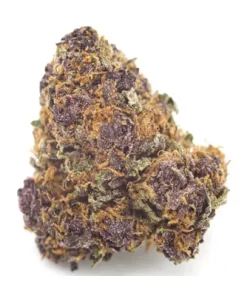
Geographic relativity dictates botanical evolution. The environmental pressures of the Southern Hemisphere demand an entirely different standard of biological resilience. For example, the high UV index found across the Sunshine Coast in Queensland acts as an aggressive stressor on standard botanical imports. However, the Blueberry Dream cultivar treats this intense solar radiation as a metabolic trigger. Rather than degrading, the plant synthesizes dense concentrations of anthocyanins. These water-soluble vacuolar pigments manifest visually as deep blue and purple hues. More importantly, they function as a molecular sunscreen, protecting the fragile nucleic acids inside the plant’s cells from radiation damage.
Similarly, this genetic line demonstrates remarkable adaptability across vastly different microclimates. Down in the cooler, highly variable maritime climates of Hobart and Launceston in Tasmania, the strain accelerates its resin production to insulate its reproductive bracts against unexpected temperature drops. Furthermore, across the Tasman Sea, researchers operating in the wind-swept agricultural sectors of the South Island of New Zealand observe an identical defensive mechanism. The plant shortens its internodal spacing to resist structural wind damage.
Therefore, localized acclimatization completely changes the value of the genetic material. You cannot simply import a foreign seed and expect it to survive these distinct regional pressures. Consequently, those looking to buy Blueberry dream strain Australia must prioritize regionally adapted phenotypes. These acclimatized specimens possess the exact epigenetic memory required to thrive in harsh, localized conditions.
Tactical Standards in Laboratory Suspension and Microscopy
The rigorous study of botanical genetics requires strict analytical frameworks. We do not rely on subjective human observation to determine maturity or genetic stability. Instead, we utilize advanced microscopic laboratory suspension techniques. By isolating specific floral clusters and mounting them securely on specialized slides, researchers can bypass visual guesswork. Under 100x to 400x magnification, the true reality of the cultivar reveals itself. (m,a,g,i,c, m,u,s,h,r,o,o,m,s,)
Specifically, we evaluate the precise ratio of clear, cloudy, and amber secretory vesicles within the trichome cap. This visual data provides an exact timeline of cannabinoid biosynthesis. For instance, when tetrahydrocannabinolic acid (THCA) reaches its absolute peak concentration, the trichome head shifts from translucent to a milky, opaque white. Because we hold our specimens to a flawless tactical standard, we can pinpoint the exact day this transition occurs.
Furthermore, this level of microscopy allows for ethical, highly compliant legal study. Many researchers utilize these specific genetic samples purely for morphological cataloging and cellular measurement. Observing the crystalline structures of the terpenes as they interact with localized light sources offers invaluable data for future agricultural scaling. We document these exact microscopic milestones meticulously within our [Visual Archives], ensuring that every researcher has access to the primary source data they require.
Potency, Effect, and Grounding for Neurodivergent Minds
Scientific analysis must eventually intersect with human application. The unique phytochemical ratio found within this acclimatized phenotype offers distinct neuro-modulating properties. The heavy presence of beta-caryophyllene interacts directly with CB2 receptors in the peripheral nervous system, mitigating systemic inflammation. Simultaneously, the inclusion of alpha-pinene allows for acetylcholinesterase inhibition, which physically protects molecules responsible for memory and cognitive focus.
This specific combination creates a profound therapeutic anchor, particularly for neurodivergent individuals. For researchers and authorized patients managing Attention Deficit Hyperactivity Disorder (ADHD) or Autism Spectrum Disorder (ASD), sensory overload remains a daily obstacle. The standard central nervous system often struggles to filter out external stimuli. However, the exact pharmacological reality of the Blueberry Dream cultivar offers a highly predictable, grounding physiological effect. It calms the physical body while sharpening executive function. psychedelic guide explained.
Moreover, the physical act of studying these plants under microscopy provides an incredibly accessible and visually rewarding experience. For the neurodivergent brain, engaging in intense pattern recognition—such as categorizing trichome degradation or mapping cellular structures offers a deep sense of systemic control. The science itself becomes a tool for emotional and cognitive regulation. We firmly believe in presenting this data in a way that respects and empowers neurodivergent researchers, making high-level botany both deeply technical and profoundly human.
Navigating the TGA and Ethical Compliance in Australia
Operating within the botanical space in the Southern Hemisphere requires absolute regulatory precision. The shifting landscape of therapeutic legislation leaves no room for ambiguous behavior. The Therapeutic Goods Administration (TGA) rigorously monitors and regulates the distribution, cultivation, and consumption of these active botanical compounds. We anchor every piece of data, every genetic sample, and every microscopic observation firmly within these strict legal boundaries.
Consequently, accessing therapeutic cultivars for human consumption requires adherence to highly specific medical pathways. Patients must utilize the Special Access Scheme (SAS) or engage with an Authorized Prescriber. We support this framework entirely. Therefore, we emphasize that specific genetic material, seeds, and distinct biological samples often fall under legal microscopy usage or authorized genetic preservation. Researchers must hold the appropriate licensing to germinate or process these specific organics.
By prioritizing ethical compliance, we protect the integrity of the scientific community. We provide the highest caliber of localized intelligence precisely because we operate transparently. We respect the law while relentlessly pushing the boundaries of what authorized botanical research can achieve. Thus, choosing to align with our specific genetic data means choosing an entirely compliant, forward-thinking standard of excellence.
Frequently Asked Questions
What specific microscopic markers indicate peak maturity in the Blueberry Dream strain?
Analysts evaluate the exact opacity of the glandular trichomes under 100x magnification. Specifically, peak maturity occurs when exactly 70% of the secretory vesicles turn opaque white, while 30% degrade into an amber hue. This specific ratio indicates maximum THCA saturation before excessive oxidation converts the compounds into sleep-inducing cannabinol (CBN).
How do symbiotic mycological networks influence the terpene profile of this cultivar?
Arbuscular mycorrhizal fungi (AMF) penetrate the living root system, vastly expanding the plant’s ability to absorb zinc and phosphorus from the soil. Consequently, this excess energy fuels the mevalonate pathway, which directly synthesizes volatile organic compounds. Thus, a healthy mycological network physically doubles the concentration of beta-myrcene and alpha-pinene in the final floral structure.
Is the Australian phenotype of Blueberry Dream legally accessible under current TGA guidelines?
Yes, but strictly through highly regulated frameworks. Authorized patients must obtain a prescription via a TGA-approved Authorized Prescriber or the Special Access Scheme (SAS-B). Conversely, obtaining raw genetic material for non-consumptive purposes, such as laboratory microscopy or authorized botanical cataloging, requires specific state-issued research licenses.
Why does this strain exhibit high cell-wall resilience in Southern Hemisphere climates?
The localized phenotype evolved to survive extreme, fluctuating environmental stressors. High UV index exposure forces the plant to thicken its external cellular cuticle and produce dense concentrations of protective anthocyanins. Therefore, this localized adaptation prevents rapid terpene evaporation, making the cell walls vastly superior to indoor-grown Northern Hemisphere imports.
How does the phytochemical ratio of this specific genetic support neurodivergent individuals?
The strain produces an unusual balance of alpha-pinene and beta-caryophyllene. Pinene enhances cognitive focus by preventing the breakdown of memory-related neurotransmitters. Simultaneously, beta-caryophyllene interacts with peripheral CB2 receptors to calm physical restlessness. Together, they create a highly predictable sensory baseline that helps mitigate the overwhelming stimuli often experienced by individuals with ADHD or Autism.
Where can researchers find authenticated genetics when they seek to buy Blueberry dream strain Australia?
Serious researchers must bypass generic commercial vendors who supply unstable, unverified seeds. Instead, they should utilize highly transparent, data-driven hubs like ICE420STOREAU. We supply fully vetted, locally acclimatized genetic samples backed by precise microscopic and phytochemical data, ensuring you receive the exact biological specimen required for compliant research.
Buy lsd tabs acid blotters 200ug Australia, Buy Erimin 5mg tablet Australia, Buy Mushroom Spores In Melbourne Australia, Buy Magic Truffles Online In Australia, Buy Magic mushroom grow kits Australia, Buy Lions Mane Mushroom in Sydney Australia, Buy Valium Diazepam Australia order valium online, Buy kratom powder Australia online, Buy magic mushroom chocolate bar Australia, Buy lsd tabs acid blotters 200ug Australia, Buy Erimin 5mg tablet Australia, Buy Mdma crystal online, Order lsd gummies near me Australia, Buy Mdma pills molly ecstasy for sale Australia, Buy Mdma Ritalin 10mg pills online, Buy Focalin xr dexmethylphenidate 20mg Australia, Buy peruvian cocaine online Australia, Shop quality diazepam pills online Aus, Buy psychedelic drugs online Australia, Buy oxycodone 30mg – 120mg Australia, buy weed australia, where to buy weed australia, buy cannabis Australia,
| Quantity | 1 Oz, 1/4 Pound, 1/2 Pound, 1 Pound, 1 kilo |
|---|
Be the first to review “Blueberry dream strain”
Related products

Weed
Weed
Weed
Reviews
There are no reviews yet.