Difference Between Psilocybe Cubensis and Panaeolus Cyanescens Australia – Complete Guide
Curious about the difference between Psilocybe Cubensis and Panaeolus Cyanescens Australia? These two popular magic mushroom species deliver very different psychedelic experiences in potency, effects, cultivation difficulty, and overall intensity.
Psilocybe cubensis is the most common and beginner-friendly magic mushroom in Australia, while Panaeolus cyanescens (often called Blue Meanies) is significantly stronger, more visual, and preferred by experienced users seeking a deeper journey.
Potency Comparison
This is the biggest difference. Panaeolus cyanescens is notably more potent than most Psilocybe cubensis strains.
Knowledge Base: Panaeolus cyanescens typically contains 1.5–2.5%+ total tryptamines (psilocybin, psilocin, and baeocystin), sometimes reaching nearly double the concentration of average cubensis (0.6–1.3%). The higher psilocin-to-psilocybin ratio in Panaeolus means faster onset and more intense effects. Both species convert psilocybin to psilocin in the body, which binds primarily to 5-HT2A serotonin receptors, but the higher alkaloid density in Blue Meanies produces stronger receptor activation, leading to more profound ego dissolution and visual complexity.
Effects and Experience
Psilocybe Cubensis:
- Balanced visuals and euphoria
- Forgiving headspace
- Good for beginners
- Duration: 4–6 hours
Panaeolus Cyanescens (Blue Meanies):
- Extremely vivid, geometric, and colourful visuals
- Stronger body load and faster onset
- More intense emotional and philosophical depth
- Often described as “cleaner” but more powerful
Furthermore, many Australian users report that Panaeolus cyanescens delivers a more “wavy” and immersive experience, while cubensis feels more grounded and manageable.
Cultivation Differences
Psilocybe cubensis is much easier to grow. It colonises quickly, fruits abundantly on various substrates (brown rice flour, coco coir, manure), and tolerates a wider range of conditions.
Panaeolus cyanescens is more challenging. It prefers dung-based substrates, requires higher humidity, stricter temperature control, and is generally slower to fruit. This makes it less common in Australia despite its superior potency.
Knowledge Base: Panaeolus species have different mycelial structures and higher sensitivity to contamination. They thrive in subtropical climates similar to parts of Queensland and northern New South Wales, which explains why wild Panaeolus cyanescens appears more frequently in warmer Australian regions during the wet season compared to the more adaptable cubensis.
Appearance and Identification
- Psilocybe Cubensis: Larger golden-brown caps, thick stems, heavy spore prints (dark purple-brown)
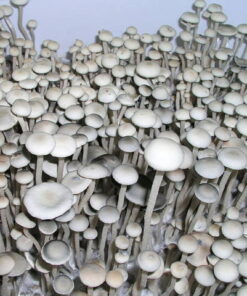
- Panaeolus Cyanescens: Smaller, bell-shaped caramel-to-tan caps that bruise intensely blue, thin stems, jet-black spore prints
The dramatic blue bruising on Panaeolus is often much stronger and faster than on cubensis.
Which Should You Choose in Australia?
- Beginners → Start with Psilocybe Cubensis (B+, Golden Teacher, Martinique)
- Experienced Users → Panaeolus Cyanescens for a more intense journey
- Microdosing → Cubensis is generally more predictable
Consequently, many Australian psychonauts keep both in their rotation depending on intention — cubensis for regular exploration and Panaeolus for breakthrough experiences.
Geographic Context and Availability Australia
Demand for both species remains high across Sydney, Melbourne, Brisbane, Perth, Adelaide, Gold Coast, Canberra, Hobart, and Darwin. Subtropical regions like parts of Queensland and northern NSW see more natural interest in Panaeolus cyanescens due to climate similarity. Similar trends exist in New Zealand (Auckland, Wellington), the UK, Europe (Amsterdam, Berlin), and US states (Oregon, California, Colorado).
Dosage Comparison Guide
Because of the potency gap, always adjust doses:
- Cubensis: Beginner 1.5–2.5g | Moderate 3–4g
- Panaeolus Cyanescens: Beginner 0.7–1.2g | Moderate 1.5–2.2g
Start low and go slow when switching between species.
Knowledge Base: Due to higher baeocystin content in many Panaeolus strains, some users report stronger physical sensations and slightly different visual characteristics compared to cubensis. Baeocystin may act as a partial agonist at serotonin receptors, contributing to the unique “electric” feel often described in Blue Meanies trips.
Storage and Handling
Both species store best when fully dried and kept in airtight containers with desiccants in a cool, dark place. Panaeolus cyanescens can be slightly more fragile due to thinner fruits, so careful handling preserves potency longer.
Internal link: Explore more premium magic mushroom strains and resources at the ICE420STORE.
Final Thoughts
Understanding the difference between Psilocybe Cubensis and Panaeolus Cyanescens Australia helps you choose the right strain for your experience level and goals. Cubensis offers accessibility and balance, while Panaeolus cyanescens provides raw power and visual intensity.
Whether you prefer the reliable classic or the elite potent option, always prioritize set, setting, and responsible use for the safest and most meaningful journeys.
Ready to explore these legendary species? Shop premium, properly identified magic mushrooms with fast, discreet delivery across Australia today.
Mushrooms