
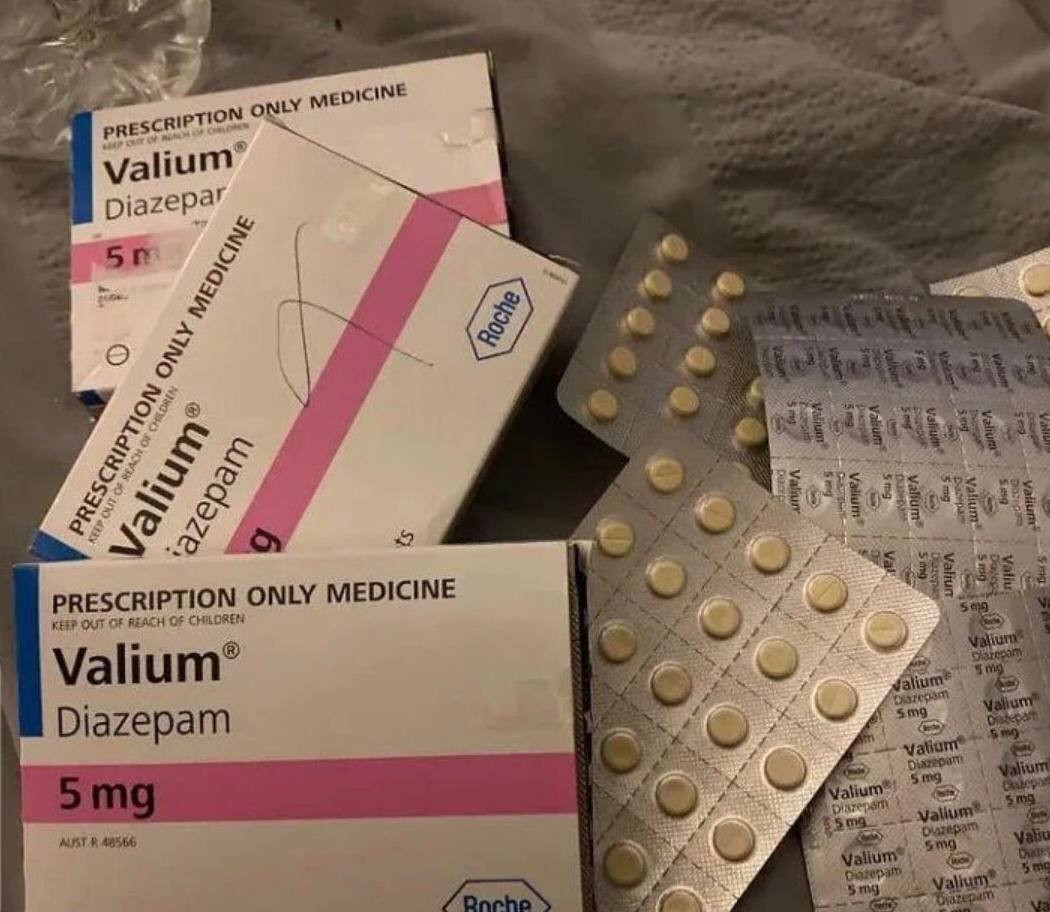
Valium 5mg Diazepam

Price range: $300.00 through $4,100.00
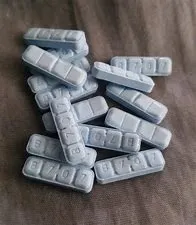
Valium 5mg (Diazepam) is a gold-standard benzodiazepine designed for the rapid management of acute anxiety, muscle spasms, and seizure disorders. When you buy Valium 5mg online from Ice420 Store AU, you are choosing a high-potency solution for restoring neurological balance. Diazepam works by enhancing the effects of GABA, a natural chemical in the body that induces calmness and reduces nerve excitability. This 10mg formulation is ideal for those requiring a consistent therapeutic dose for moderate to severe symptoms. Our Valium is sourced from certified manufacturers, ensuring chemical purity and dosage accuracy. Whether you are managing a stressful transition or need pharmacological support for muscle recovery, our Valium 5mg provides reliable, long-acting relief. Experience the peace of mind that comes with premium-grade pharmaceuticals delivered discreetly to your door across Australia and beyond.
Buy Valium Diazepam Australia order valium online: The Comprehensive Medical & Safety Guide
Buy Valium Diazepam Australia order valium online, Valium Diazepam is one of the most widely recognized prescription medications in the world. First introduced in the 1960s, it revolutionized the treatment of anxiety and neuromuscular conditions. Today, Diazepam (the generic name for the brand Valium) remains a cornerstone medication in the class of drugs known as benzodiazepines. psychedelic guide explained.
Whether you have been newly prescribed this medication by your doctor, or you are researching its effects and safety profile, understanding how Diazepam interacts with the body is crucial. Because it is a powerful central nervous system (CNS) depressant, it comes with strict dosing guidelines, potential side effects, and legal regulations.
In this complete guide, we will break down everything you need to know about Valium (Diazepam), how it works, what it treats, and vital safety precautions.
![Image: A clean, brightly lit medical photograph of a blister pack of Diazepam tablets resting on a doctor’s desk next to a stethoscope and a prescription pad.]
(Alt Text: A professional medical setting showing Valium Diazepam prescription tablets and a stethoscope)
What is Diazepam Used For?
Diazepam is a highly versatile medication. Physicians prescribe it for both short-term relief of acute symptoms and, in specific medical settings, the management of chronic conditions.
The most common medical uses for Valium include:
-
Anxiety Disorders: It provides rapid, short-term relief from severe anxiety, panic attacks, and the symptoms of generalized anxiety disorder (GAD).
-
Muscle Spasms: Diazepam is highly effective as a muscle relaxant, treating spasms caused by local muscle trauma, cerebral palsy, paraplegia, or stiff-person syndrome.
-
Alcohol Withdrawal Syndrome: Administered under strict medical supervision, it helps manage the acute agitation, tremors, and severe, potentially life-threatening seizures associated with acute alcohol withdrawal.
-
Seizure Disorders: It is frequently used as an adjunctive treatment for convulsive disorders, particularly to stop prolonged seizures (status epilepticus).
-
Preoperative Sedation: Doctors often administer a small dose to induce relaxation and reduce memory of medical procedures (anterograde amnesia) prior to surgery or dental work.
How Does Valium Work in the Brain?
To understand how Valium Diazepam calms the body, you have to look at the brain’s neurotransmitters.
Diazepam works by enhancing the effects of gamma-aminobutyric acid (GABA), an inhibitory neurotransmitter in the brain. GABA acts as a natural “brake” on the nervous system. When you experience severe stress, anxiety, or a physical spasm, your brain is essentially over-firing. Diazepam binds to the GABA receptors, amplifying this braking effect.
The result is a rapid reduction in brain activity, leading to feelings of profound calmness, sedation, and physical relaxation. Best psychedelic therapy explained.
Valium Dosage: Why Precision Matters
Because Diazepam is a potent psychoactive drug, dosing is highly individualized. A doctor determines the appropriate dosage based on the patient’s age, the severity of the condition, and their medical history.
-
For Anxiety: Typical adult oral doses range from 2mg to 10mg, taken 2 to 4 times daily.
-
For Muscle Spasms: Usually 2mg to 10mg, 3 to 4 times daily.
-
Elderly Patients: Because the body’s ability to metabolize medications slows with age, older adults are typically prescribed much lower starting doses (e.g., 2mg to 2.5mg once or twice daily) to prevent excessive sedation and the risk of falls.
Crucial Warning: Never adjust your dosage without consulting your healthcare provider. Taking more than prescribed vastly increases the risk of dependence and overdose.
Common Side Effects & Risks
While highly effective, Valium Diazepam carries a notable side-effect profile. Most side effects are related to its central nervous system depressing action.
Common Side Effects:
-
Drowsiness and fatigue
-
Muscle weakness
-
Loss of coordination (ataxia)
-
Dizziness or lightheadedness
Severe Risks & Long-Term Effects:
-
Tolerance and Dependence: With continuous, long-term use, the body builds a tolerance, meaning higher doses are required to achieve the same effect. This can quickly lead to physical and psychological dependence.
-
Withdrawal: Stopping Valium abruptly after prolonged use can trigger severe withdrawal symptoms, including rebound anxiety, insomnia, tremors, and in extreme cases, seizures. Tapering off the medication must always be done under a doctor’s supervision.
-
Paradoxical Reactions: In rare cases, particularly in children or the elderly, Valium can cause the exact opposite of its intended effect, resulting in excitation, agitation, hallucinations, and aggressive behavior.
Dangerous Drug Interactions
Valium Diazepam must never be mixed with other substances that depress the central nervous system without explicit medical direction. Combining these substances can lead to profound sedation, respiratory depression (breathing stops), coma, or death.
Substances to strictly avoid while taking Diazepam:
-
Alcohol: Combining alcohol and Valium is extremely dangerous and a leading cause of accidental overdose.
-
Opioids: The FDA requires a “Boxed Warning” (the strictest warning possible) regarding the combined use of benzodiazepines and opioid pain medications due to the high risk of fatal respiratory depression.
-
Other Sedatives or Sleep Aids: E.g., Ambien, barbiturates, or other anti-anxiety medications.
Frequently Asked Questions (FAQs)
How long does Valium stay in your system?
Diazepam has an exceptionally long half-life compared to other anti-anxiety medications. The drug itself has a half-life of 20 to 50 hours, but its active metabolites (like desmethyldiazepam) can have a half-life of up to 100 hours. This means it can take over a week for a single dose to fully leave your body, and it can be detected in urine tests for several weeks.
What is the difference between Valium (Diazepam) and Xanax (Alprazolam)?
Both are benzodiazepines used to treat anxiety, but they differ in onset and duration. Xanax is fast-acting with a very short half-life, making it ideal for immediate panic attacks. Valium is fast-acting but stays in the system much longer, providing a sustained, “smoother” calming effect over an extended period.
Can I drive while taking Valium?
It is highly recommended that you do not drive or operate heavy machinery until you know exactly how Diazepam affects you. It can impair your reaction times, motor skills, and judgment in ways similar to alcohol intoxication. magic mushrooms
Conclusion
Valium Diazepam remains a vital and highly effective medication for treating acute anxiety, severe muscle spasms, and seizure disorders. However, its therapeutic benefits must always be balanced against the risks of side effects, dependence, and serious drug interactions.
If you are struggling with anxiety or physical spasms, the first step is an honest conversation with a licensed medical professional. Always take benzodiazepines exactly as prescribed, utilize them strictly for short-term relief where possible, and never share your medication with others.
Buy Valium Diazepam Australia order valium online, Buy kratom powder Australia online, Buy magic mushroom chocolate bar Australia, Buy lsd tabs acid blotters 200ug Australia, Buy Erimin 5mg tablet Australia, Buy Mdma crystal online, Order lsd gummies near me Australia, Buy Mdma pills molly ecstasy for sale Australia, Buy Mdma Ritalin 10mg pills online, Buy Focalin xr dexmethylphenidate 20mg Australia, Buy peruvian cocaine online Australia, Shop quality diazepam pills online Aus, Buy psychedelic drugs online Australia, Buy oxycodone 30mg – 120mg Australia
Buy magic mushrooms locally, Buy Dried Magic Mushrooms Australia, Magic Mushroom Edibles For Sale Online, Buy Mushroom Microdose Capsules Online In Australia, Buy Mushroom Spores In Melbourne Australia, Buy Magic Truffles Online In Australia, Buy Magic mushroom grow kits Australia
| Quantity | 2 cards, 5 cards, 20 cards, 50 cards |
|---|
1 review for Valium 5mg Diazepam
Add a review
Related products

Pills

Mushrooms


Pills
Pills
Lorna –
I was happy receiving my product on time, i do trust you now